


In recent years, modern architecture has evolved to embrace not just aesthetic beauty and functionality, but also a deep commitment to sustainability. As the world faces pressing environmental challenges, architects and designers are stepping up to create buildings that are as eco-friendly as they are visually stunning. This new era of architecture combines cutting-edge design with environmentally responsible materials and technologies, offering solutions that benefit both the built environment and the planet.
The Shift Towards Sustainable Design
Sustainability in architecture is no longer just a trend – it’s become a necessity. As the effects of climate change become more evident, architects are focusing on reducing a building’s environmental impact throughout its lifecycle. This includes using sustainable materials, minimizing energy consumption, and designing structures that are adaptable and resilient to future environmental changes.
Sustainable architecture often incorporates renewable energy sources like solar panels and wind turbines, as well as energy-efficient technologies such as LED lighting, advanced insulation, and smart HVAC systems. In addition, architects are increasingly turning to eco-friendly materials like bamboo, reclaimed wood, and low-carbon concrete to reduce the carbon footprint of their buildings.

The Role of Innovation in Modern Design
Innovation is at the heart of modern architecture. Today, architects have access to a wide array of new materials, digital tools, and construction techniques that allow them to push the boundaries of design. For example, 3D printing is becoming a common method for creating customized building components, allowing for faster and more cost-effective construction. Smart technologies, such as integrated sensors and automation systems, are being embedded into buildings to enhance their functionality and energy efficiency.
These innovations also lead to more adaptable and flexible spaces. Open-plan designs, modular construction, and multi-purpose spaces allow buildings to evolve with the changing needs of their users. This focus on adaptability ensures that buildings can continue to serve their communities for generations to come.
3 FedArchitecture, InteriorThe company needed to complete a complex migration on a tight deadline to avoid millions of dollars in post-contract fees and fines.
Mitchel Krytok – Quote
Harmonizing Aesthetics and Functionality
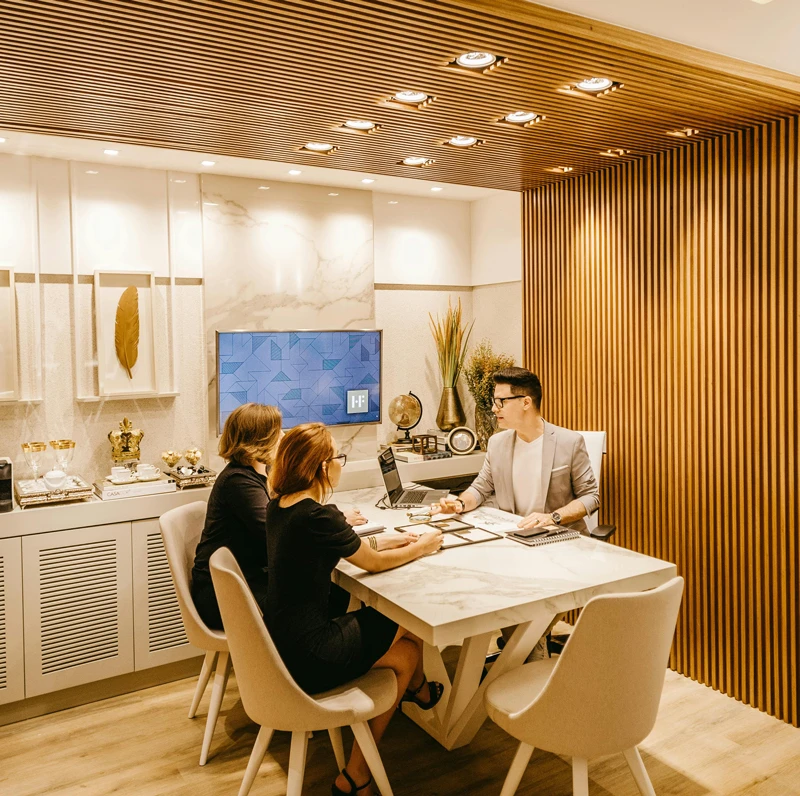
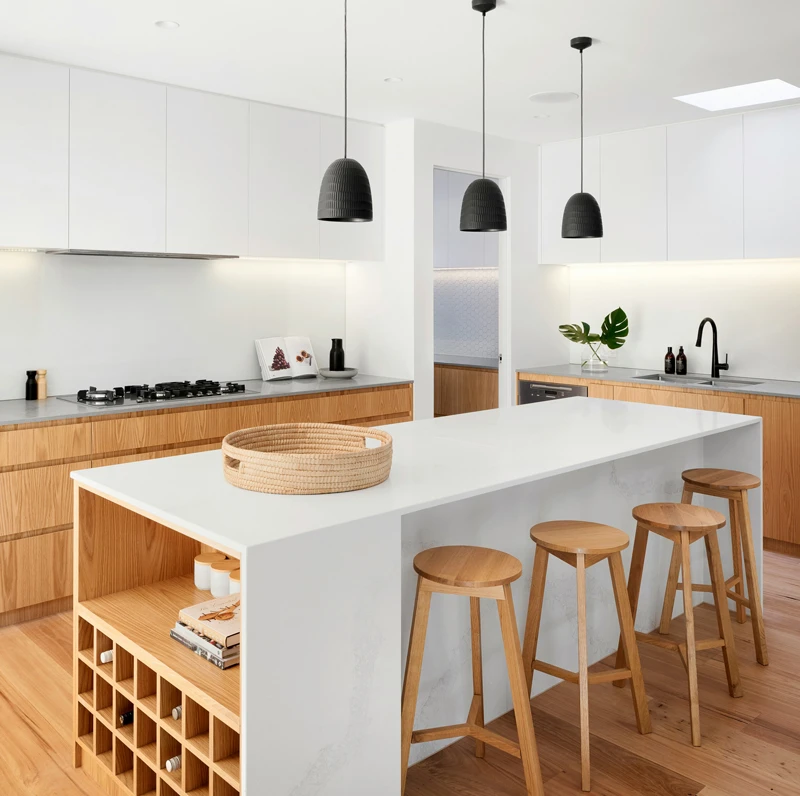
Modern architecture is known for its sleek, minimalist aesthetic, with clean lines, open spaces, and large windows that connect the indoors with the outdoors. However, these designs are more than just visually appealing – they are carefully considered to enhance functionality and sustainability.
For instance, large windows not only allow for natural light to flood the interior, reducing the need for artificial lighting, but they also promote better indoor air quality and provide stunning views of the surrounding environment. Similarly, open floor plans enable flexibility in how spaces are used, making them more efficient and adaptable to different lifestyles and purposes.
The Future of Modern Architecture
The future of modern architecture lies in the continued fusion of innovation and sustainability. As technology advances and environmental challenges intensify, architects will continue to explore new ways to reduce the impact of buildings on the planet while enhancing the lives of their occupants. From net-zero energy buildings to the integration of biophilic design, the possibilities for the future of architecture are endless.
Ultimately, modern architecture is not just about creating beautiful buildings; it’s about creating spaces that are functional, sustainable, and in harmony with the natural world. By blending innovation with sustainability, architects are shaping a future where design and the environment work together to create a better, more sustainable world for generations to come.
Conclusion
The world of architecture is rapidly changing, with sustainability and innovation at the forefront of design. As we continue to face global challenges, modern architecture will play a crucial role in shaping the future of our cities, communities, and the environment. By embracing new technologies, sustainable practices, and innovative design concepts, architects are leading the way toward a brighter, greener future.
 EN
EN  FR
FR  NL
NL